
Industry solutions for retail and restaurant chains
Get your problem solved and share the price with the industry.
Apps To Go does not build solutions for one company. We build them so that several chains can use them. That is why you do not pay for all the development.
Shared price
One solution, several to pay for it.
We used to make custom solutions. Now we only build what a whole industry can use.
Custom solution
One customer pays the whole price
- Built for one customer, and for them only
- The customer pays for all the development alone
- Only one tells us what is missing, and only one tests
Industry solution
Several share the price
- Built so that it can become a general solution
- Several pay for the work, so the price for you is lower
- Several tell us what it must do, point out problems and test
The first is ready
Feedback2Business is our first industry solution.
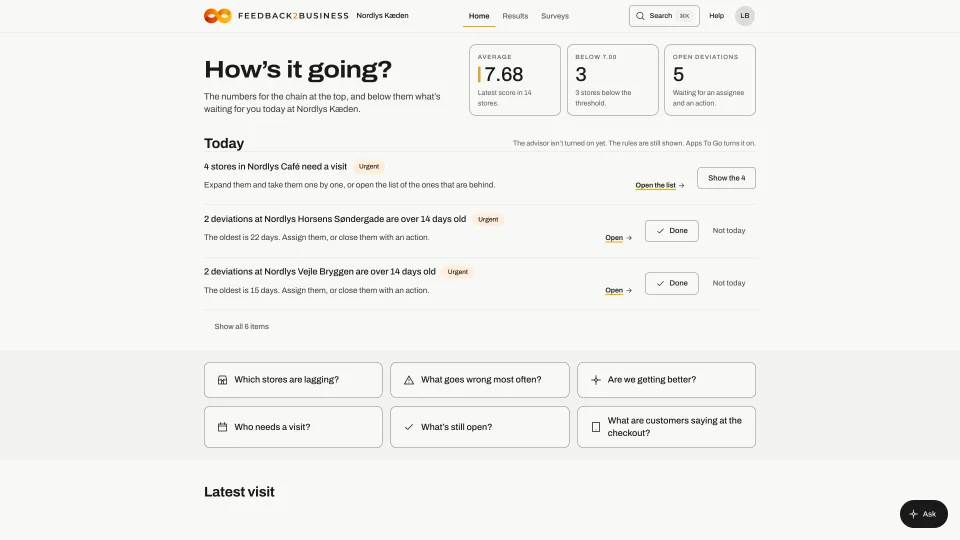
Feedback2Business began with one chain’s checklists on paper and reports that arrived too late. We knew that other chains had the same problem, so we built it for all of them. We are proud of it.
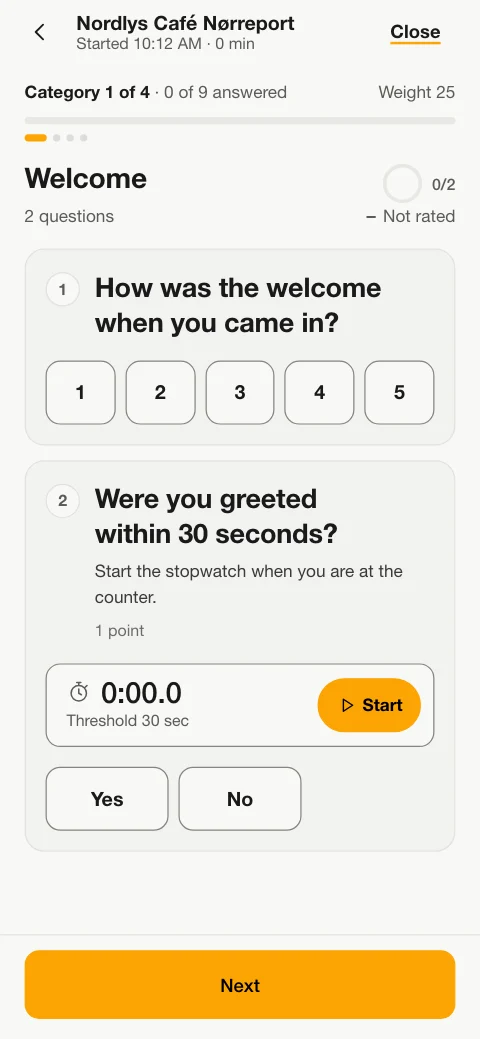
Today it gathers the visits to the shops and the guests’ smileys in one place, so a chain knows every morning where to begin.
The next one has not been chosen
What should our next industry solution be?
These are problems from real life that we still see in shops and restaurants. We do not have the solution to them yet. That is the point: we start with the problem.
Which of them do you recognise from your own working day? Tick them, and we will have them with us when we talk.

The item is not on the shelf
A customer asks for an item that is not on the shelf. The employee does not know whether it is in stock and goes out the back to look.

The sign says one price, the till another
The campaign ended yesterday, but the sign is still up. Now the customer is at the till with the item.

Calling in sick at six
An employee calls in sick at six in the morning. The manager phones around to find a stand-in before the shop opens.
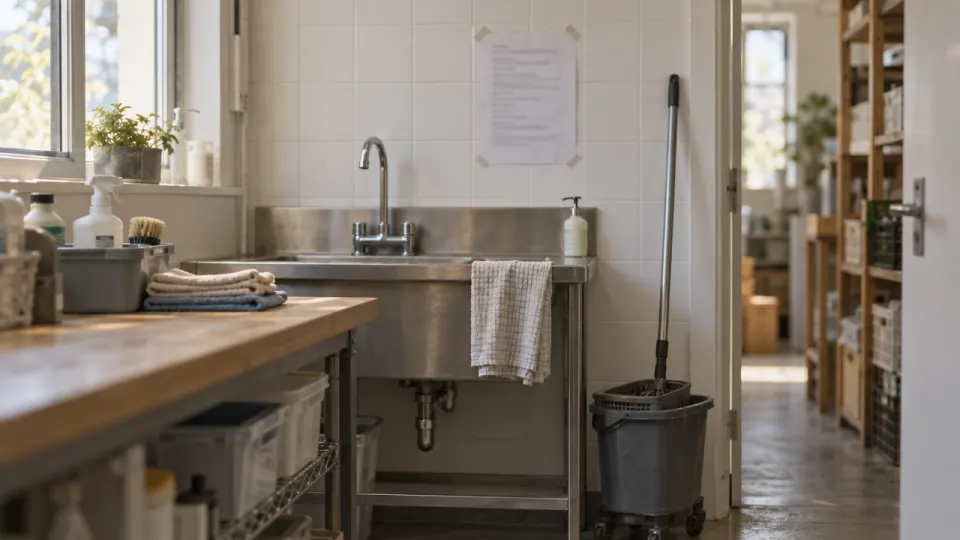
The instruction was not understood
An employee whose first language is not Danish gets a written instruction. It is not quite understood, and nobody asks.
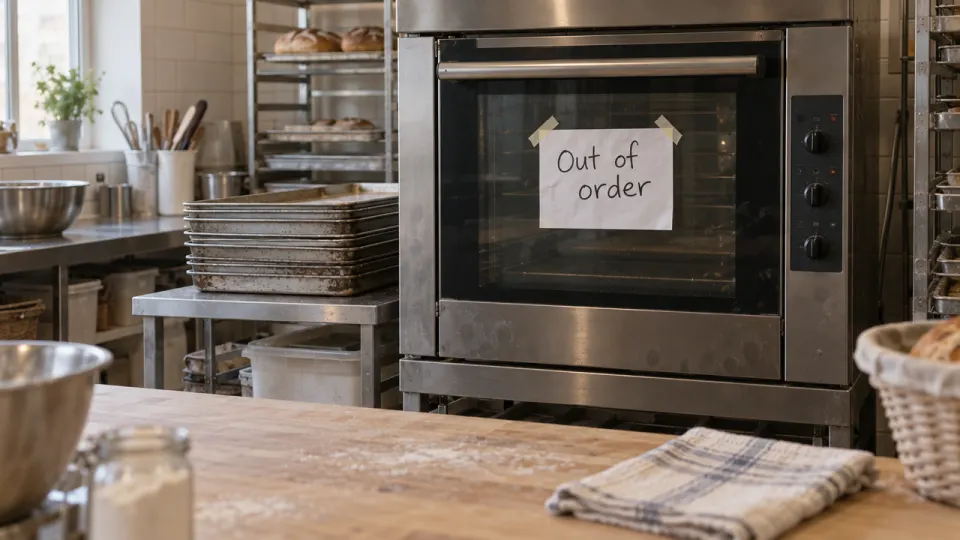
The oven is still not fixed
It broke down a week ago, and the message was passed on by word of mouth. And could the fault have been spotted before it happened?

First closing shift alone
A new employee is closing alone for the first time and does not know what has to be done, or in which order.

The campaign did not reach every shop
The campaign starts on Monday. On Tuesday it is on display in 14 of 20 shops, and head office does not know which.
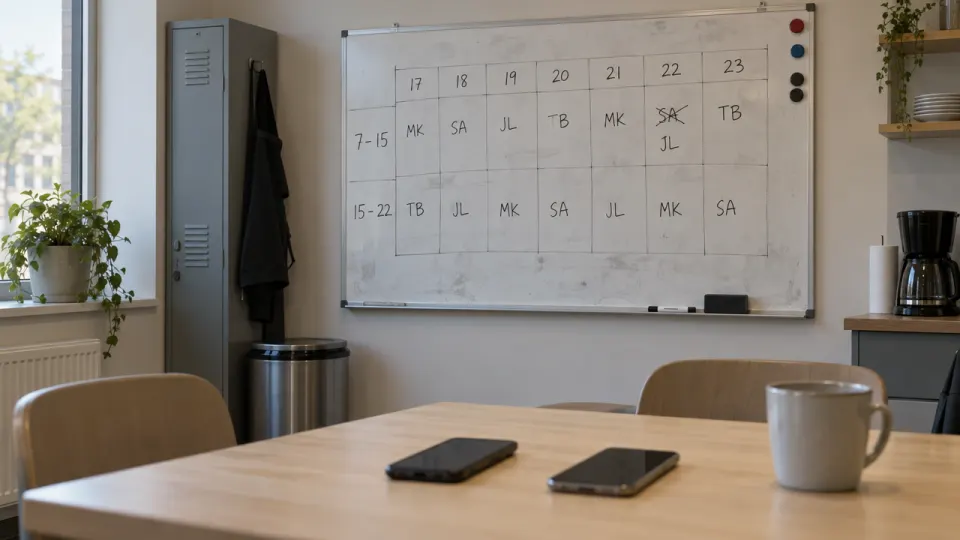
The shift was swapped in a message
Two employees swap shifts in a message to each other. The manager never hears of it, and on Saturday morning neither of them turns up.

The guest asks whether it contains nuts
The waiter goes to the kitchen to ask. The recipe was changed last week, and the cook on shift is not sure.
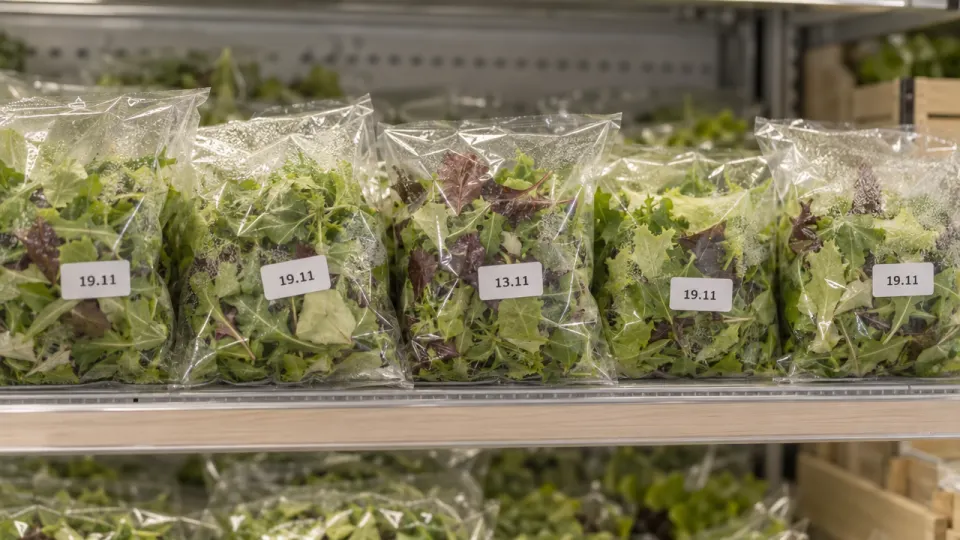
The item on the shelf is out of date
A customer finds an item that expired the day before yesterday. Nobody knows who last went through the shelf, or when.
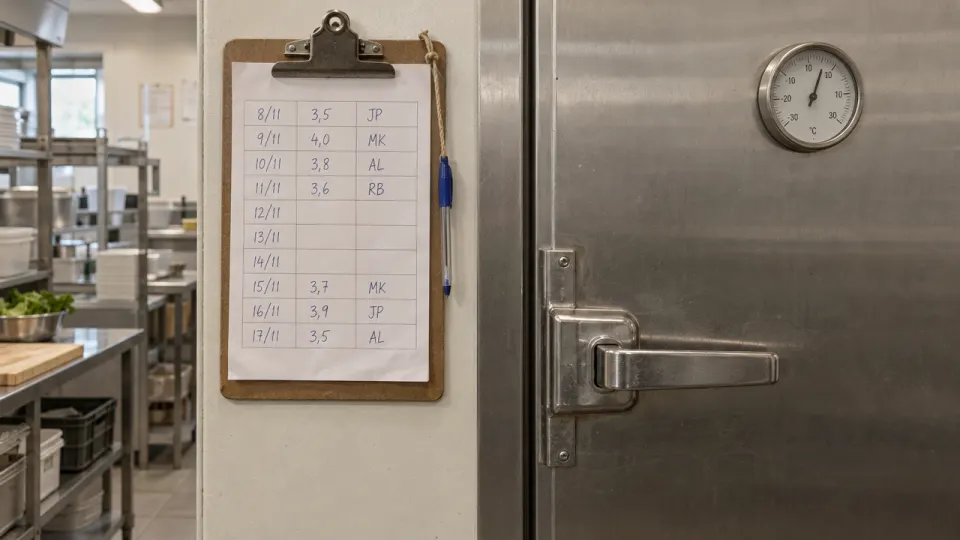
The temperature was not written down
The sheet by the cold room has three days missing. Was the temperature measured and just not written down, or was it not measured?
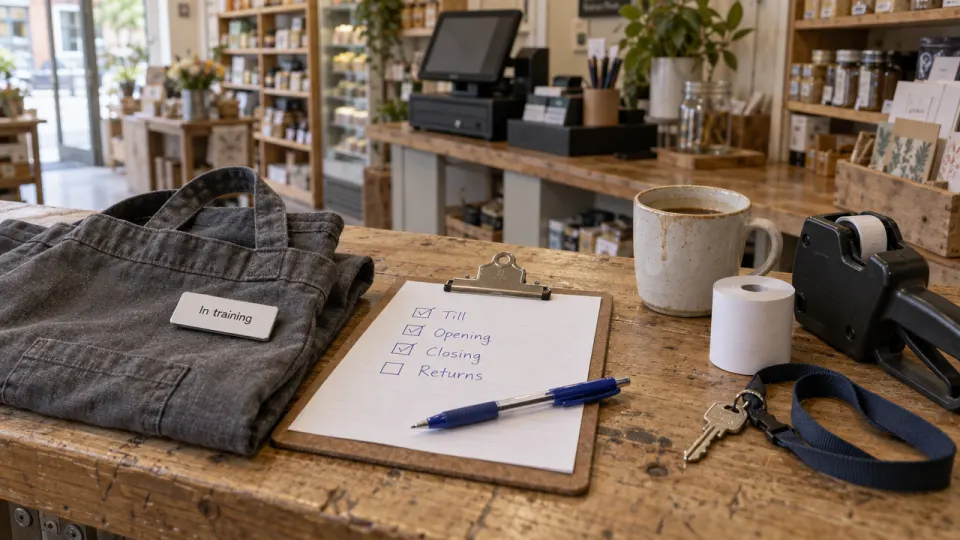
Training depends on who is on shift
The new employee learns what the colleague on shift knows and remembers. After a month she can work the till, but not handle a return.

The message did not reach the evening shift
The morning shift knows that the supplier is coming a day later. It is on a note by the till that the evening shift does not see.

Three boxes were missing from the delivery
The goods are put away without being counted. On Thursday someone notices that three boxes are missing, and the delivery note is gone.

Same dish, different portion
The dish is on the menu in every restaurant, but it is not made the same way. The guest gets a large portion in one place and a small one in another.
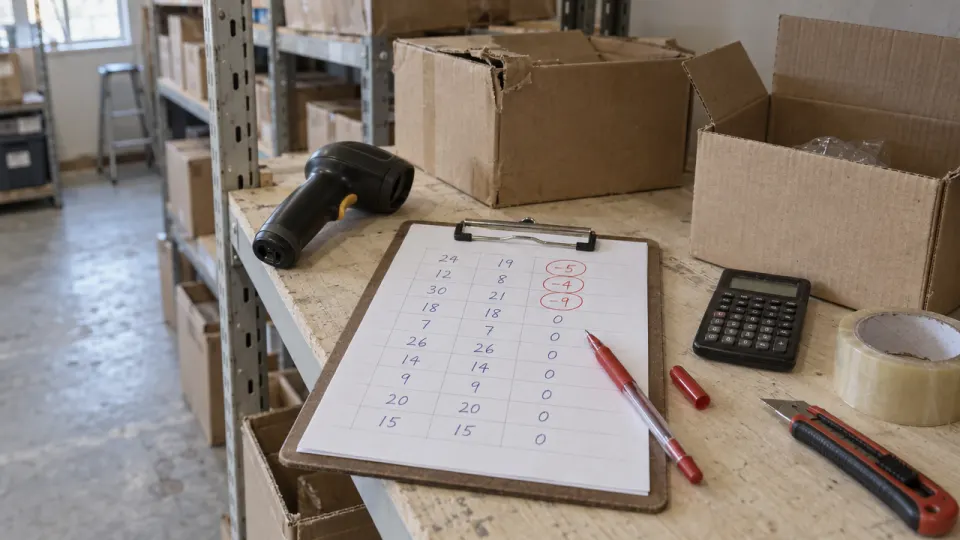
Shrinkage that nobody can explain
The stock count shows that goods worth a large sum are missing. Is it theft, mistakes at goods-in, or items thrown out without being recorded?
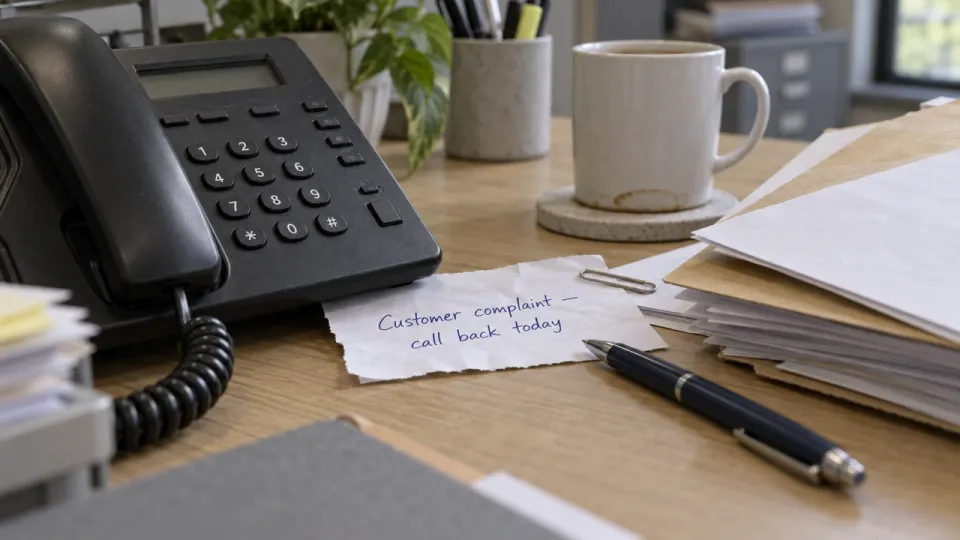
The complaint was written on a note
A customer complains in the shop, and the employee promises that someone will call back. The note is left lying, and the customer never hears anything.
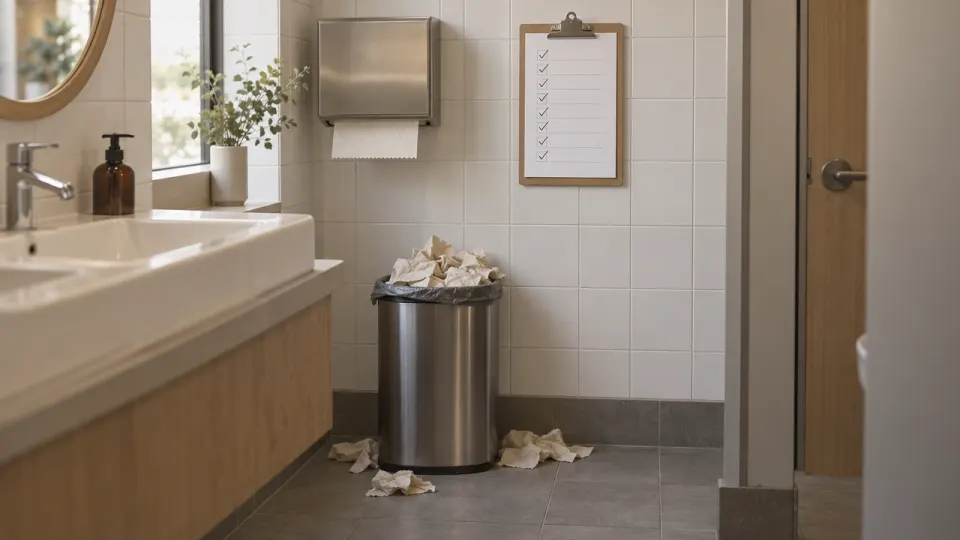
Ticked off, but not done
The cleaning sheet has been ticked every hour all day. The toilet has not been cleaned since this morning.
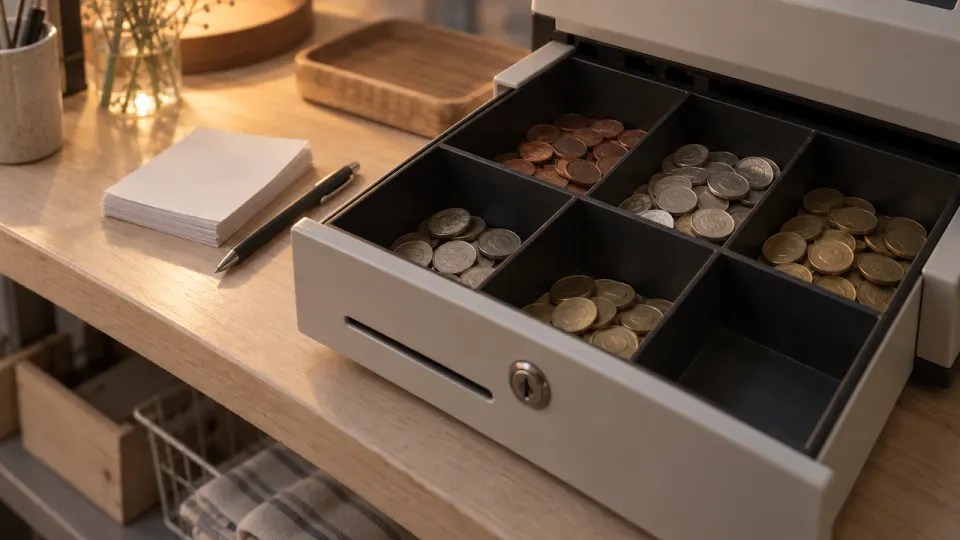
The till does not balance
At closing time the till is 400 kroner short. Three people have used it during the day, and nobody knows when it went wrong.
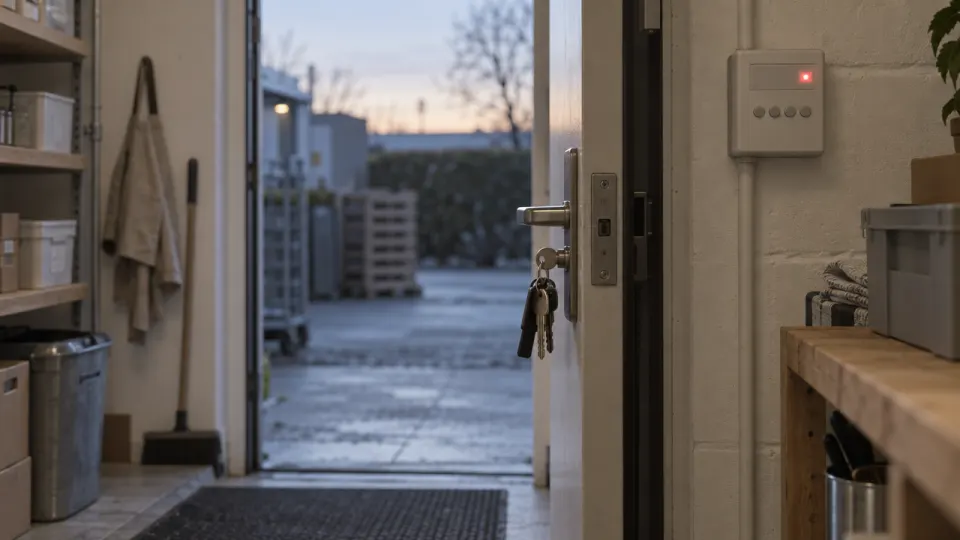
The alarm goes off at six
The person opening has been given a key, but not the new code. The manager gets a call from the security company.
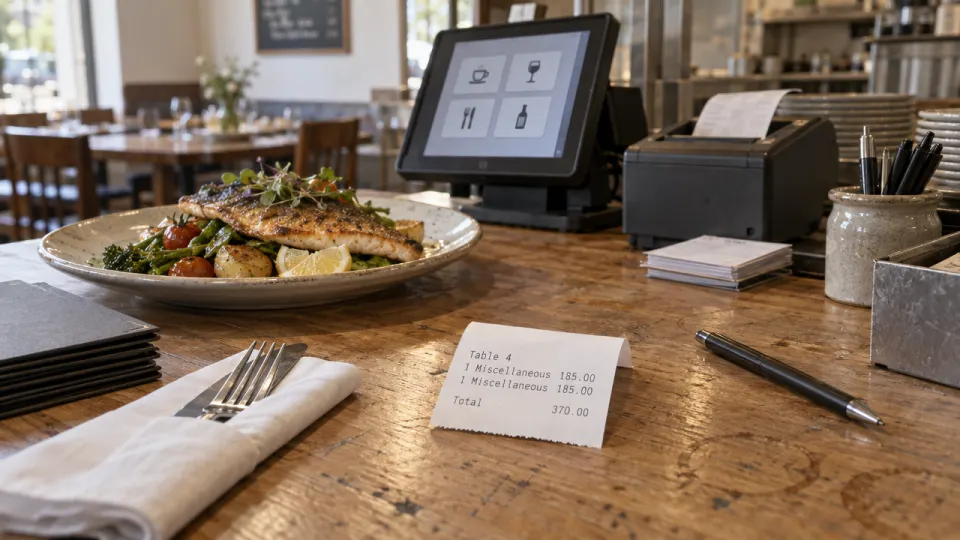
The new dish is not in the till
The menu changed on Monday, but the till has not been given the new dish. The waiter rings it up as “miscellaneous”.

Sunday evening goes on the report
The shop manager types the week’s figures from one system into a spreadsheet for management. It takes two hours, and it happens every week.
Six weeks between visits
The district manager gets round to each shop every six weeks. What happens in the shop between visits, she only knows from the phone.

The same question, twenty times
The shops call the office and ask the same thing. The answer was in an email from March that nobody can find.

Sold out at seven
On Friday evening the dish of the day runs out at seven. On Tuesday half of it was thrown away.
The ordering lives in one head
One employee orders goods every week and knows from experience how much is needed. Now she is on holiday, and her stand-in is guessing.

The good idea stays in the shop
One shop has found a faster way to restock in the morning. The other thirty shops never hear about it.

Half the staff were not at the meeting
The staff meeting is on Tuesday evening, and those who are off or at school are not there. The week after, the new rules apply to them all the same.
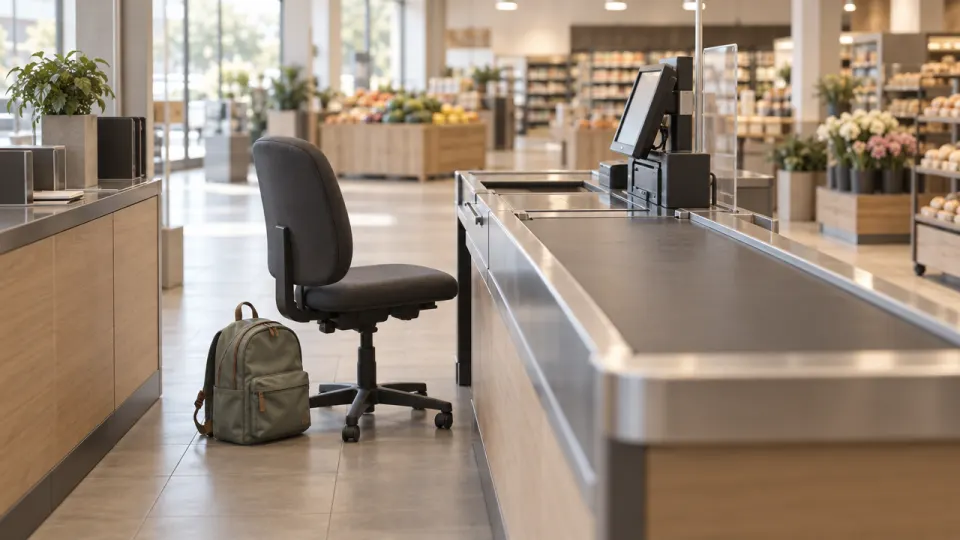
May a 16-year-old be alone at the till?
The rota has to be made, and there are rules for what those under 18 may do, and when. The manager is not sure and makes the rota anyway.
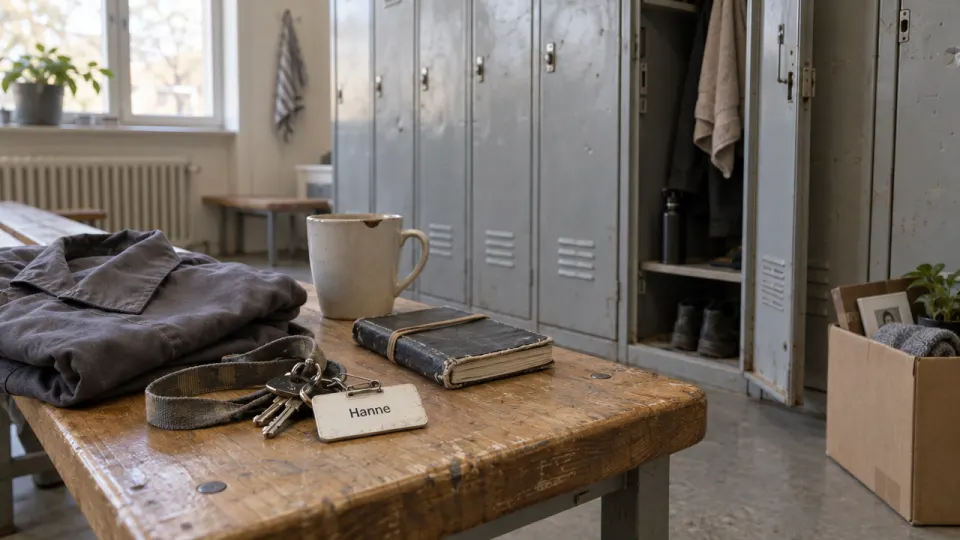
The experienced one resigns
She is the only one who knows how the month is closed and whom to call when the cooler is making a noise. In four weeks she is gone.
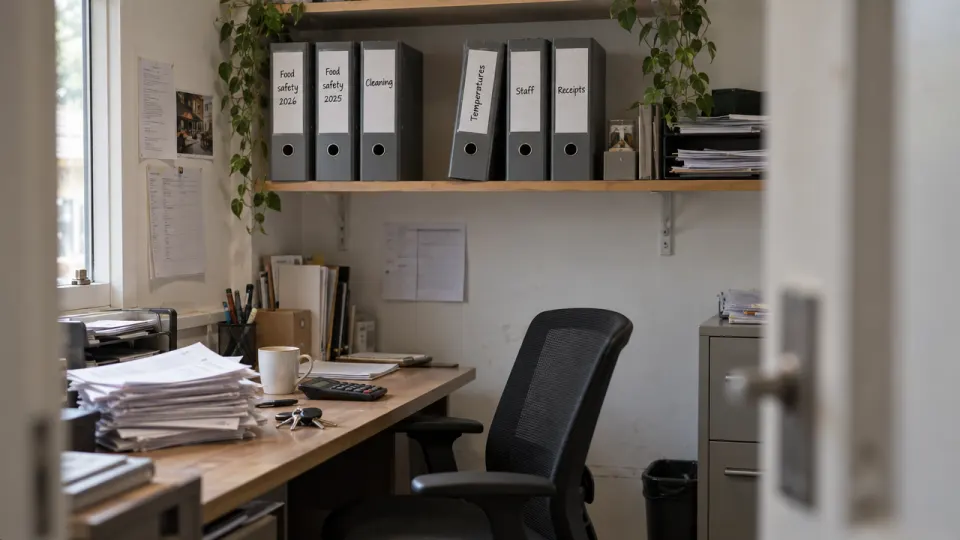
The inspection comes unannounced
The papers are in a folder in the office, and the manager is off today. The employee on shift does not know where the folder is.
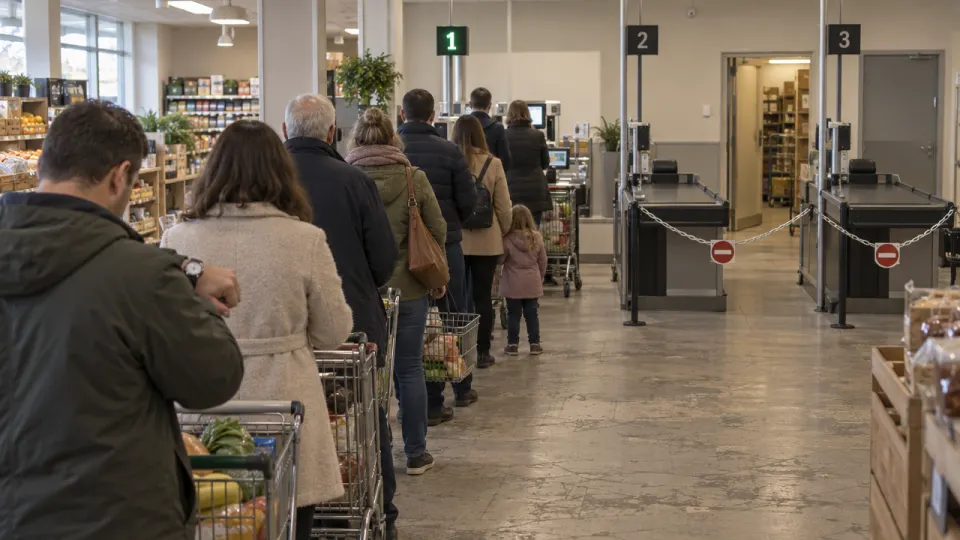
A queue at the till, three in the stockroom
Eight customers are queuing at the one open till. Three colleagues are in the stockroom and cannot see it.
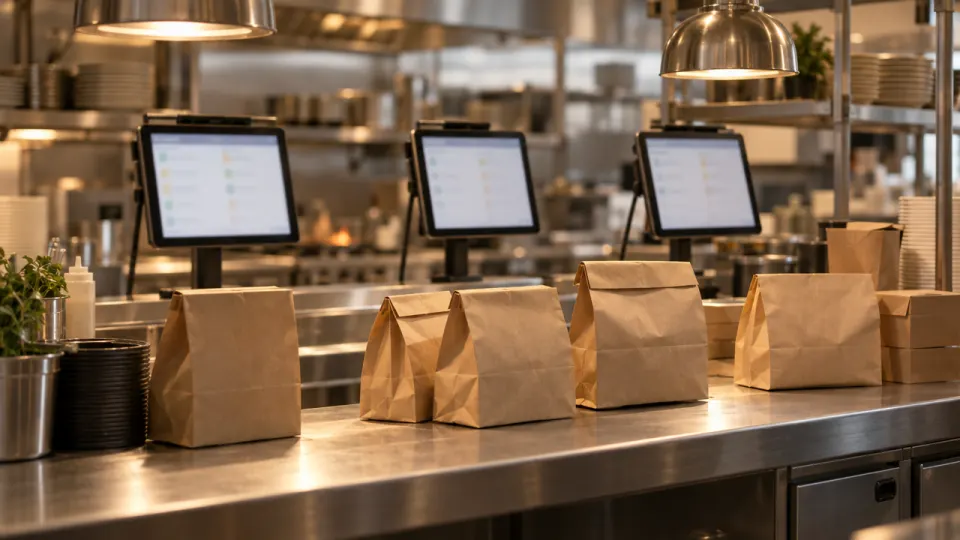
Orders from three screens
The takeaway orders come in on three different screens in the kitchen. On Friday evening one of them is overlooked.

An exchange without a receipt?
A customer wants to exchange an item without a receipt. She gets a yes in one shop and a no in another, and both employees believe they are following the rule.

It nearly went wrong
An employee slips on a wet floor in the kitchen but is not hurt. Nobody is told, and the floor is wet again tomorrow.

The hours do not match the pay
An employee believes six hours are missing from her payslip. The rota says one thing, and she remembers another.
Is it one of them? Or do you have a problem that is even better suited for us to look at together?
Why the sun
The working day comes back tomorrow.
- Mon
- Tue
- Wed
- Thu
- Fri
- Sat
- Sun
A project has a beginning and an end. A shop or a restaurant has a day that starts over every morning: open, restock, serve, close.
What is repeated every day can be trained, just as a football team trains for the next match. An improvement is used again tomorrow and the day after.
That is why the sun is our mark. We work with the day that comes back.
What Apps To Go brings
How we find the solution.
Since 2017 Apps To Go has made solutions for shops and restaurants in Denmark and Greenland: solutions that remove barriers for the staff and take the boring things out of the job. This is what we do every time we hear about a problem.
We start with one example
Not “communication is poor”, but “last Tuesday the evening shift did not know that the oven was broken”. We stay with the specific until we understand what happened.
We take the problem apart
Every problem has a few things that decide how it goes: how long it takes, how many people have to be asked, how often it happens. We find them and look at how each one can be moved. It is the scientific method, used in a shop.
We measure whether it works
We collect data so that we can see whether the solution works, and make it better afterwards.
And five more things
- We sketch several solutions to the same problem before we choose one.
- We look at the problem from each person’s side: the new employee, the experienced one, the manager and the customer.
- We bring in ideas from other industries that have solved something similar.
- We ask whether the task has to be done at all before we make it easier.
- We build a quick prototype that the staff try before anything is built in full.
A problem that several share is a business case.
The process
From a problem of yours to a solution for the industry.
The problem first
We start with the problem, not with the solution. What takes too long, and what goes wrong again and again?
Do others have it too?
We find out whether others in the industry have the same problem. If the answer is no, an industry solution is not the right thing.
We build together with you
If others have the same problem, we ask whether they want to join from the start. If they do not, we carry on with the solution together with you. You help decide what it must do, and you get it first.
Better with every customer
Every new customer brings new input, finds new faults and tests something new. Everyone benefits.
Questions
What people ask.
Who is it for?
Chains with several shops or restaurants, small and large. What matters is that you have several places to keep track of. Today we work in Denmark and Greenland.
Why do you not just build a solution for us only?
Because then you may as well build it yourselves. That is closer to your business, and there is no need for a middleman. Apps To Go makes a difference when several have the same problem.
Why is the price lower?
A custom solution is paid for by one customer alone. An industry solution has several to pay for it, and so the price for each can be set lower.
What do we gain from being among the first?
You help decide what the solution must do, so it comes closest to your everyday work. And you get it before everyone else.
Who owns the solution?
Apps To Go does. You pay to use it, as with Feedback2Business.
Can our competitor buy the same solution?
Yes. Other chains in your industry can buy the same solution, and that is exactly why the price can be lower. Your data is yours, and no other chain can see it.
What if no more customers come?
That risk is ours. Your price does not go up because no more customers come, and the solution is maintained for as long as you have your subscription. We only begin when we ourselves believe that several have the problem. If it happens anyway, we talk openly with you about it. One option can be that you take over the solution and the running of it yourselves. And you can always get your data out.
What if the problem only exists with us?
Then an industry solution is not the right thing, and we say so. A solution that only one company will use is best built close to the company itself.
Book a meeting
Which problem should we look at together?
30 minutes, online or at your place. No obligation. Tick the problems you know, or describe your own.